
How to Do a Performance Review (Step-by-Step with Template)
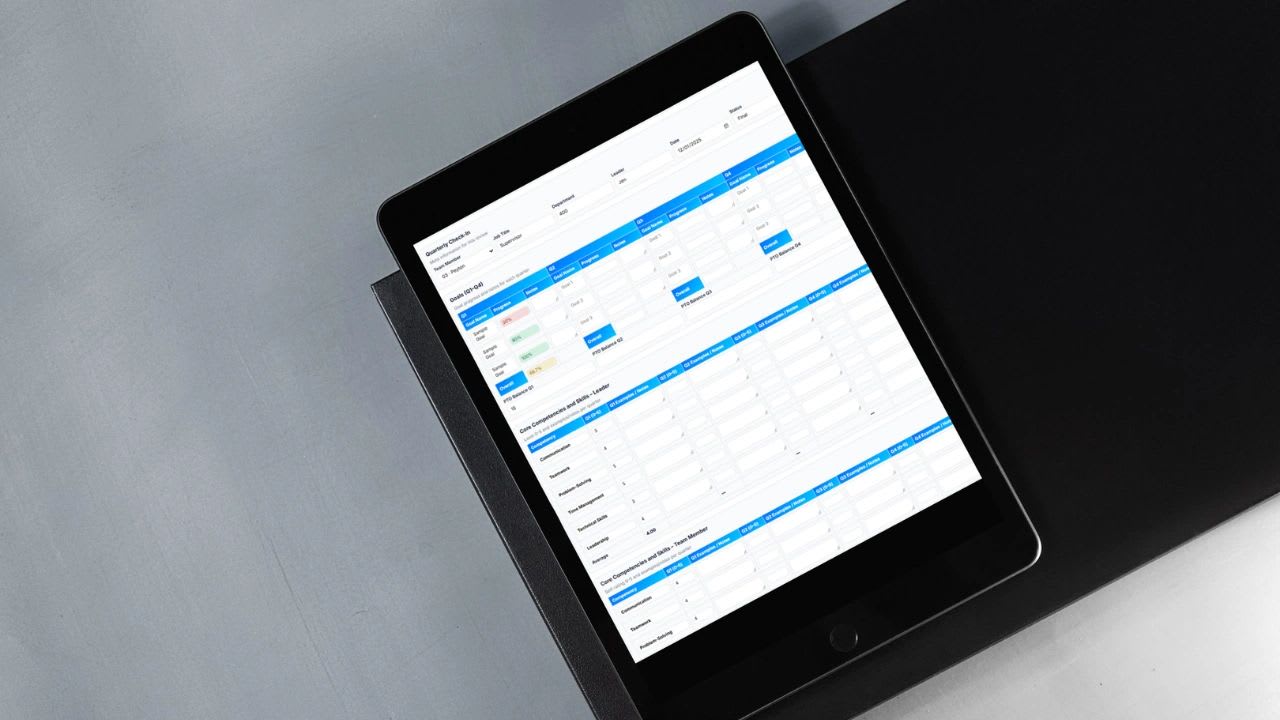
Performance reviews have a reputation problem and honestly, it is deserved. Too many companies treat them like a once-a-year formality, something to check off a list rather than a real tool for improving performance. The result is that employees feel blindsided, managers feel uncomfortable, and nothing actually changes.
When done right, performance reviews are one of the most effective ways to drive clarity, accountability, and growth across your team. The difference is not in the idea of reviews -- it is in how they are structured and executed. This guide covers everything: types of reviews, who should be involved, how often to run them, the step-by-step process, and an interactive template you can fill in and print.
Why Performance Reviews Matter More Than You Think
At a basic level, performance reviews exist to evaluate how someone is doing in their role. But that is only a small part of their value. A strong review process creates alignment between what the business needs and what employees are actually doing day to day.
Without reviews, people operate on assumptions. They do not know if they are doing well, where they stand, or what needs to improve. That uncertainty leads to disengagement, missed expectations, and eventually turnover. When done properly, performance reviews eliminate that ambiguity. They give employees clear feedback, help managers identify gaps early, and create a structure for growth. They also make it much easier to justify promotions, raises, or performance interventions because decisions are based on consistent data rather than opinions formed in the moment.
Types of Performance Reviews
The most traditional approach is the annual review -- a comprehensive look at performance over the past year. While useful for big-picture reflection, it often falls short because feedback is delayed and details are lost over time. By the time you are having the conversation, the context behind both wins and misses has faded.
Quarterly reviews are a much stronger alternative. They allow managers and employees to revisit goals regularly, adjust expectations, and address issues before they compound. If you are only going to implement one structured review format, start here.
360-degree reviews gather feedback not just from the manager but also from peers and sometimes direct reports. This provides a more balanced picture of performance, especially for collaborative roles, but needs to be structured carefully to avoid bias and protect psychological safety.
Self-assessments are valuable regardless of the review format. When employees evaluate their own performance before the meeting, it encourages reflection, creates ownership, and gives managers insight into how employees perceive their own strengths and gaps -- which is often different from how the manager sees them.
The most effective organizations layer these together: weekly check-ins for real-time coaching, quarterly reviews for structured evaluation, and annual reviews as a summary rather than the only feedback employees receive.
Who Should Be Involved
A performance review should never feel like something being done to an employee. Both sides need to actively participate. At minimum the manager and employee are in the room. The manager guides the conversation, provides structured feedback, and aligns expectations. The employee comes prepared with their own perspective on wins, challenges, and goals.
For 360 reviews, peers or cross-functional team members provide additional input. HR or leadership may play a role in ensuring consistency across the organization, especially when reviews are tied to compensation or promotions. The key is making the process feel collaborative rather than evaluative in a one-directional sense.
How Often to Run Reviews
The biggest mistake companies make is relying solely on annual reviews. A better framework is to think of performance management as a system rather than a single event. Weekly check-ins address immediate priorities and blockers. Monthly conversations focus on progress and trends. Quarterly reviews provide the structured opportunity to formally evaluate performance, set goals, and document outcomes.
The annual review can still exist as a cumulative summary, but it should not be the only time feedback is given. If you are just getting started, move to quarterly first. That single change will dramatically improve clarity and performance across your team.
How to Do a Performance Review Step by Step
Step 1: Gather data before the meeting. Pull performance metrics, previous goals, project outcomes, and any relevant feedback. Going into a review without data produces vague conversations. You need specifics to make feedback actionable.
Step 2: Have the employee complete a self-assessment first. Send the template in advance so the employee can fill out their section before you meet. This sets the tone for a two-way conversation rather than a one-directional evaluation, and it surfaces gaps between how the employee sees their performance and how you see it.
Step 3: Start with wins. This is not about being positive for the sake of it -- it is about reinforcing what is working so it continues. Recognizing specific achievements builds trust and makes the subsequent feedback land better.
Step 4: Address areas for improvement with specificity. Instead of general statements, point to clear examples and explain the impact. "Your project reports have been missing context that the team needs to make decisions" is more useful than "communication needs improvement." Specificity is what turns feedback into something the employee can actually act on.
Step 5: Set measurable goals for the next period. Every review should end with documented goals that are specific, measurable, and tied to business priorities. Without defined goals, there is nothing to review at the next check-in and no basis for accountability.
Step 6: Talk about career development. Understanding where the employee wants to grow allows you to align opportunities with their development, which directly increases engagement and retention. This is the part of the review that most managers skip and most employees most want to discuss.
Step 7: Document next steps and close the loop. Both parties should leave the review knowing exactly what is expected, what support is available, and when the next check-in will happen. Document it in writing.
Interactive Performance Review Template
Fill in the fields below. Click Print when done.
📋 Employee Performance Review
Common Mistakes That Make Reviews Useless
Waiting until the annual review. If the only structured feedback an employee gets is once a year, you are managing backward. Problems that could have been caught in February are now patterns that defined the entire year. Move to quarterly at minimum.
Giving feedback without examples. "Communication needs work" is not feedback. It is a vague observation that the employee cannot act on. Every piece of improvement feedback needs a specific example and an explanation of the impact so the employee understands what to change and why it matters.
Skipping the self-assessment. When managers skip this step, the review becomes a one-directional evaluation. The self-assessment is what makes it a conversation. It also surfaces misalignment -- when the employee thinks they are doing great and the manager disagrees, that gap needs to be addressed explicitly, not avoided.
No documented goals. A review without documented next steps is just a conversation. Both parties leave, life continues, and nothing changes. The goals section of the template is not optional -- it is the mechanism that makes the review matter at the next one.
Inconsistent execution across managers. When some managers run rigorous quarterly reviews and others skip or rush them, employees in the same company have fundamentally different experiences. HR or leadership needs to hold managers accountable for the review process, not just employees.
Related Reading
Employee Performance Improvement Plan (PIP) Template →